
You experience winter weather every year, yet snow and freezing rain are often misunderstood because they can look similar while behaving very differently. When you understand how these precipitation types form, you can better prepare for travel, school closures, and safety risks during winter storms.
This guide explains the difference between snow and freezing rain in simple, accurate terms, helping you recognize why one piles up softly while the other coats everything in dangerous ice.
What Snow Is and How It Forms
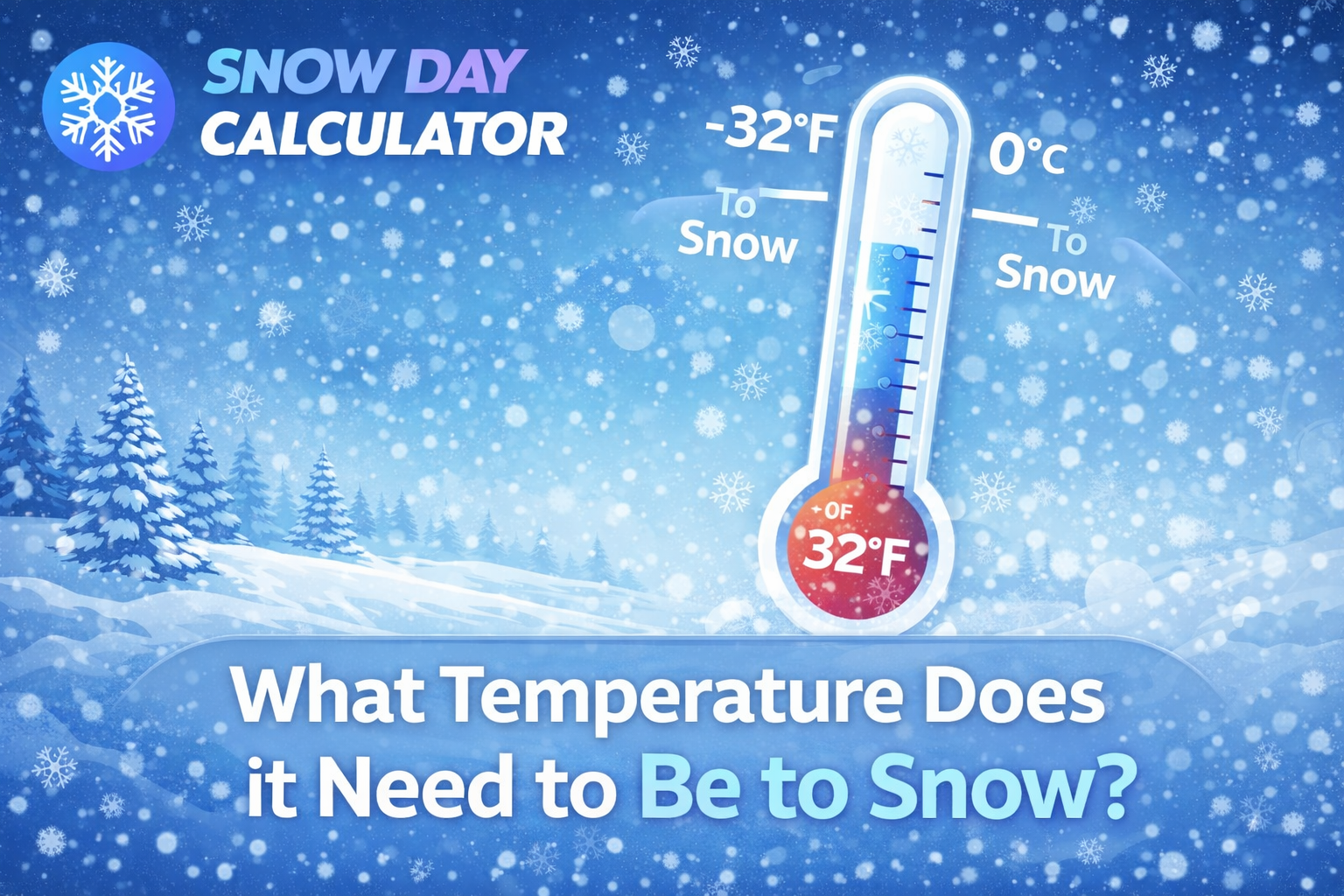
You see snow when water vapor in clouds freezes directly into ice crystals and remains frozen all the way to the ground. These crystals combine to form snowflakes that keep their structure because the air temperature from cloud to surface stays below freezing. Snow formation depends on stable cold layers in the atmosphere, which is why snowfall is more common during prolonged cold spells.
You benefit from knowing that snowflakes form in many shapes depending on temperature and humidity. This variety explains why some snow feels light and powdery while other snow is dense and heavy. In the United States, snowfall patterns vary widely, with northern states averaging over 40 inches annually while southern states may only see snow occasionally.
You often notice snow accumulating quickly on lawns, rooftops, and roads because it remains solid upon impact. Snow tends to reduce visibility but usually provides traction compared to ice. Understanding snow behavior helps you judge when roads are slick versus when they are simply snow covered.
What Freezing Rain Is and How It Forms
You encounter freezing rain when snowflakes melt into rain as they pass through a warm air layer high above the ground. Those raindrops then fall into a shallow layer of cold air near the surface, becoming supercooled but staying liquid. When they hit cold surfaces, they freeze instantly and form a smooth layer of ice.
You should understand that freezing rain requires a very specific temperature structure in the atmosphere. The cold layer near the surface is too thin to refreeze droplets before impact, which is what separates freezing rain from sleet. This process explains why freezing rain events are often short but extremely hazardous.
You may not realize how quickly ice can build up during freezing rain. Even a quarter inch of ice can add hundreds of pounds to trees and power lines. In the United States, freezing rain causes billions of dollars in damage each decade due to power outages and infrastructure failure.
Key Atmospheric Differences Between Snow and Freezing Rain
You can clearly distinguish snow from freezing rain by understanding the vertical temperature profile of the atmosphere. Snow forms when the entire column of air stays below freezing from cloud to ground. Freezing rain forms when warm air aloft melts snow but shallow cold air near the surface refreezes it on contact.
You benefit from knowing that these temperature layers can change rapidly during a storm. A shift of just a few degrees can turn snow into freezing rain within hours. This is why winter storm forecasts often change and why accurate weather updates matter.
You can better interpret forecasts when meteorologists mention warm noses or cold surface layers. These terms describe the atmospheric conditions that favor freezing rain instead of snow. Understanding them helps you anticipate dangerous icing conditions rather than manageable snowfall.
How Snow and Freezing Rain Look on the Ground
You can identify snow easily because it appears white, fluffy, or compacted depending on temperature. Snow accumulates visibly and can be plowed, shoveled, or compacted by traffic. It also reflects light, which is why snowy landscapes appear brighter.
You may struggle to see freezing rain because it forms a clear glaze of ice. This transparency makes roads, sidewalks, and power lines look wet rather than icy. That invisibility is what makes freezing rain far more dangerous than snow.
You should always treat shiny winter surfaces with caution. Ice from freezing rain reduces friction dramatically and increases fall and crash risks. Knowing the visual differences helps you respond appropriately to each condition.
Safety Risks Associated With Snow
You face reduced visibility and slower travel during snowfall, especially when flakes fall heavily. Snow-covered roads can still provide some traction, particularly when temperatures remain low. Plowing and salting are effective tools for managing snow hazards.
You should recognize that heavy snow can still be dangerous. Wet snow can weigh 15 to 20 pounds per cubic foot, stressing roofs and tree branches. In some U.S. regions, roof collapses occur during intense snowstorms when accumulation exceeds structural limits.
You can reduce snow-related risks by monitoring accumulation and preparing early. If you are wondering whether snowfall might disrupt daily routines, tools like will I have a snow day tomorrow can help you understand potential closures. Awareness allows you to plan ahead rather than react late.
Safety Risks Associated With Freezing Rain
You face greater danger during freezing rain because ice forms instantly on contact. Roads become nearly impossible to grip, even with winter tires. This leads to a sharp increase in traffic accidents during icing events.
You also deal with infrastructure risks during freezing rain. Ice accumulation on power lines causes sagging and breakage, leading to widespread outages. According to federal data, ice storms are among the leading causes of long-duration power outages in the United States.
You can protect yourself by avoiding travel and staying indoors when freezing rain is forecast. Proper preparation is essential, and things like winter storm preparation provide practical guidance for staying safe during ice events. Preparation can prevent injury and costly damage.
How Forecasts Distinguish Snow From Freezing Rain
You rely on weather forecasts to determine whether snow or freezing rain is expected. Meteorologists analyze temperature profiles using weather balloons and computer models. This data helps predict whether precipitation will stay frozen or freeze on contact.
You may notice forecasts emphasizing timing and temperature changes. Small shifts can drastically alter precipitation type, especially near the freezing mark. This explains why advisories may update frequently during winter storms.
You gain an advantage by checking localized forecasts rather than general ones. Regional factors like elevation and urban heat can influence outcomes. Accurate interpretation of forecasts keeps you informed and safer.
Regional Differences Across the United States
You experience snow and freezing rain differently depending on where you live. Northern states such as Minnesota and Maine see more consistent snowfall due to sustained cold air. Southern states encounter freezing rain more often because warm air aloft frequently overrides shallow surface cold.
You should understand that transitional regions face the highest icing risk. Areas like the Midwest and Mid-Atlantic often sit near the freezing line during storms. This makes freezing rain a frequent and disruptive hazard.
You can better prepare by understanding your regional risks. For example, learning about phenomena like lake-effect snow explained helps you understand why certain areas receive heavier snow while others face icing instead. Regional knowledge improves readiness.
Impact on Schools, Work, and Daily Life
You notice snow often leads to delayed openings or cancellations rather than full shutdowns. Plows and salt allow communities to restore mobility relatively quickly. Snow days are more predictable and manageable for schools and businesses.
You see freezing rain causing sudden closures because conditions deteriorate rapidly. Even light icing can shut down transportation and power. Schools and workplaces often close preemptively due to safety concerns.
You benefit from tracking forecasts closely during winter storms. Understanding the difference between snow and freezing rain helps you anticipate disruptions. That awareness reduces stress and improves decision making.
Environmental Effects of Snow and Freezing Rain
You may not consider how snow benefits the environment. Snow acts as insulation for soil and plants, protecting roots from extreme cold. It also provides slow-release moisture when it melts.
You should know that freezing rain offers few environmental benefits. Ice accumulation damages trees by breaking branches and uprooting trunks. Recovery from ice storms can take years in heavily affected forests.
You gain perspective by understanding these effects. Snow supports ecosystems while freezing rain often causes long-term harm. This distinction highlights why ice storms are particularly destructive events.
Conclusion
You now understand the difference between snow and freezing rain and why that distinction matters for safety and daily life. Snow forms when cold air dominates from cloud to ground, while freezing rain forms when melted snow freezes on contact with cold surfaces.
By recognizing these differences, you can better interpret forecasts, prepare for winter hazards, and make informed decisions during storms that affect communities across the United States.