
You often think of snow days as unexpected breaks, but they offer far more than canceled schedules and delayed routines. When schools and workplaces close due to snow, you gain time to reset mentally, reconnect socially, and experience nature in a way modern life rarely allows. Snow days slow everything down, giving your mind and body space to recover from constant pressure.
Research, psychology, and environmental science all show that snow days play a meaningful role in emotional well-being, safety, and learning balance across the United States. Understanding the benefits of snow days helps you appreciate why these pauses matter beyond convenience and why they continue to hold value in a fast-moving world.
How Snow Days Support Mental Health
Snow days give you a rare mental reset that helps reduce stress caused by rigid schedules and constant productivity demands. When daily obligations pause, your nervous system gets a break, which can lower cortisol levels and improve emotional balance. Mental health professionals note that even short interruptions like snow days can improve mood, reduce anxiety, and support long-term resilience.
The quiet created by falling snow also plays a role in mental calm, as snow absorbs sound and softens the environment around you. This quieter atmosphere encourages reflection and mindfulness, helping you feel more grounded in the present moment. You benefit psychologically when your surroundings slow down at the same pace as your thoughts.
Snow days also normalize rest without guilt, which is essential for mental recovery. Instead of feeling unproductive, you are given permission to pause for safety reasons. This shift in mindset supports healthier attitudes toward rest and personal well-being in everyday life.
Emotional Relief From Routine Pressure
Daily routines can create emotional fatigue, especially for students, parents, and working professionals balancing multiple responsibilities. Snow days interrupt this cycle in a positive way, offering emotional relief that feels earned rather than avoided. The unexpected nature of a snow day often triggers joy, excitement, and relief simultaneously.
When expectations temporarily disappear, your emotional bandwidth expands. You may notice improved patience, better mood regulation, and fewer feelings of burnout during these breaks. Emotional restoration happens naturally when you are allowed to step away from constant demands.
Snow days also reduce performance pressure, which is especially important for children and teens. Without tests, deadlines, or structured schedules, emotional stress decreases. This emotional reset helps you return to normal routines feeling more balanced and motivated afterward.
Improved Sleep and Cognitive Recovery
Snow days often allow you to sleep longer, which directly benefits brain function and emotional regulation. Quality sleep supports memory consolidation, problem-solving, and mood stability, all of which are essential for daily performance. Many people experience sleep deprivation during regular schedules, making snow days an opportunity to recover.
Colder weather also supports better sleep patterns by aligning with your body’s natural circadian rhythms. When temperatures drop, your body signals that it is time to rest, making deeper sleep more likely. This biological response explains why winter rest often feels more refreshing.
If you are wondering whether weather conditions might lead to rest opportunities soon, tools that explore will I have a snow day tomorrow help families and students anticipate schedule changes while planning healthier routines around rest and recovery.
Encouraging Mindfulness and Presence
Snow naturally draws your attention to the present moment through its visual and sensory impact. Watching snow fall, hearing muted surroundings, and feeling colder air all ground you in real-time experience. Mindfulness becomes effortless when your environment invites stillness.
Snow days encourage slower activities like reading, reflective thinking, or quiet conversation. These moments help you disconnect from constant digital stimulation and mental clutter. Being present reduces anxiety and supports emotional clarity.
Mindfulness practiced during snow days can carry over into daily life. When you experience calm during environmental pauses, you learn how valuable stillness can be. This awareness helps you seek balance even when routines resume.
Physical Safety and Community Protection
One of the most practical benefits of snow days is improved safety for you and your community. Snow and ice increase the risk of accidents, making travel hazardous for drivers, pedestrians, and school transportation systems. Closing schools and offices reduces unnecessary exposure to dangerous conditions.
When fewer people are on the roads, emergency services can respond more efficiently to critical situations. Snow days reduce traffic congestion, lowering the risk of collisions and injuries. This collective pause prioritizes public safety over productivity.
Understanding safety thresholds, such as how many inches of snow for school to be cancelled, helps you see how snow days are carefully considered decisions designed to protect lives rather than disrupt schedules.
Strengthening Family and Social Bonds
Snow days create shared experiences that strengthen relationships within families and communities. When everyone stays home, you gain more opportunities for conversation, cooperation, and connection. These shared moments build emotional security and trust.
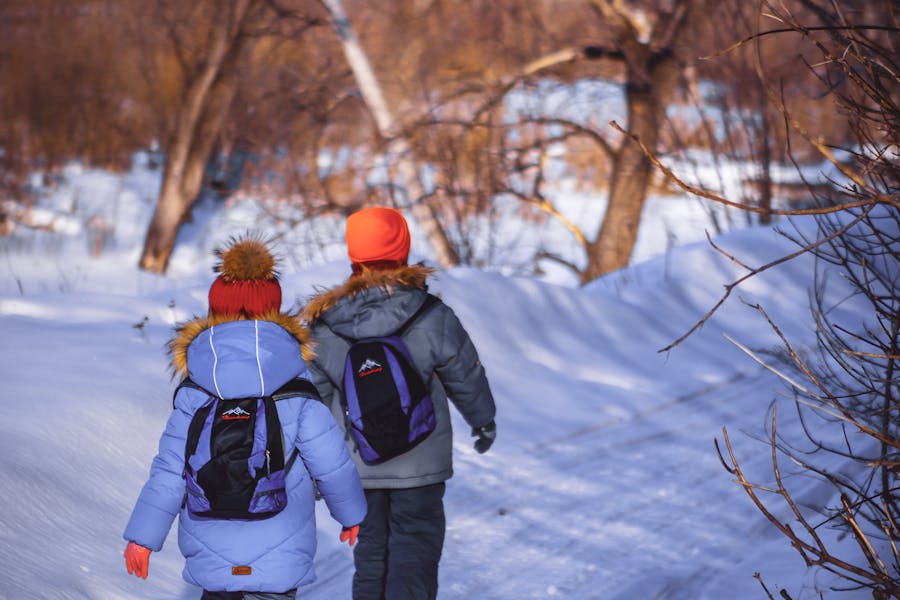
Families often use snow days for simple activities like cooking together, playing games, or enjoying outdoor snow play. These interactions support emotional development, especially for children who benefit from unstructured family time. Strong relationships form during moments of togetherness rather than routine.
Community bonding also increases during snow days as neighbors help one another with snow removal or safety checks. These interactions reinforce social trust and collective responsibility. Snow days remind you that connection matters as much as productivity.
Supporting Learning Balance for Students
Snow days help students maintain a healthier balance between structured learning and mental recovery. Constant academic pressure can reduce focus, motivation, and retention over time. Temporary breaks allow the brain to rest and reset.
Students often return from snow days with improved concentration and renewed interest in learning. Cognitive rest supports creativity and problem-solving, which are essential for academic success. Learning does not suffer when rest is integrated thoughtfully.
Parents and educators also benefit from snow days by reassessing workload expectations. Understanding the rhythm between effort and rest leads to more sustainable educational outcomes. Snow days reinforce the importance of balance in long-term learning success.
Benefits for Workplace Productivity
Snow days support workplace productivity by preventing burnout and reducing safety risks. When employees are forced to commute in hazardous conditions, stress and fatigue increase significantly. Allowing time off during snow events protects physical and mental health.
Employees who experience occasional rest return to work more focused and engaged. Research consistently shows that rest improves efficiency, creativity, and problem-solving skills. Snow days function as natural productivity resets rather than setbacks.
If you follow weather developments closely, resources that explain regional patterns such as lake effect snow explained help you understand why certain areas experience more snow-related closures and how employers adapt accordingly.
Environmental Awareness and Appreciation
Snow days help you reconnect with natural cycles that shape daily life across the United States. Snow plays a critical role in water storage, soil insulation, and ecosystem stability. Pausing human activity during snowfall highlights the environment’s influence on routine.
When daily noise decreases, wildlife patterns become more visible, reminding you of your place within larger ecological systems. Snow protects plants and soil from extreme cold, supporting future growth. These environmental processes operate quietly but significantly.
Snow days increase appreciation for seasonal change rather than resistance to it. Understanding nature’s rhythms helps you adapt with respect rather than frustration. Environmental awareness grows when you observe snow as a necessity, not an inconvenience.
Playfulness and Emotional Expression
Snow days encourage play, which is essential for emotional health at all ages. Playing in the snow, building snowmen, or simply enjoying winter scenery stimulates positive emotions. Play reduces stress and supports emotional expression without judgment.
Adults often reconnect with childhood joy during snow days, which strengthens emotional flexibility. Laughter and play release endorphins that improve mood and reduce tension. These experiences promote emotional resilience over time.
Children benefit especially from unstructured play during snow days. Physical activity combined with imagination supports emotional regulation and social skills. Snow days remind you that play is not wasted time but emotional nourishment.
Long-Term Psychological Benefits
Snow days contribute to long-term mental health by reinforcing healthy boundaries around rest and safety. When society collectively pauses, you learn that slowing down is acceptable and necessary. This lesson influences how you approach work-life balance year-round.
Psychological research shows that periodic breaks reduce burnout and support sustained motivation. Snow days model how environmental cues can guide healthier decision-making. You benefit by internalizing these patterns beyond winter months.
Over time, snow days help normalize self-care without guilt. You return to responsibilities with greater clarity, patience, and emotional stability. These long-term benefits extend well beyond the snowfall itself.
Conclusion
You gain far more from snow days than time away from obligations, because these pauses support mental health, safety, learning balance, and emotional connection. Snow days allow your body to rest, your mind to reset, and your relationships to grow stronger through shared experience.
When you understand the benefits of snow days, you see them not as disruptions but as essential breaks that protect well-being, reinforce community values, and restore balance in a demanding world.